culture
Essendon's Hidden History: Museums Reveal Aboriginal Origins and Victorian Infrastructure
Documented details on the suburb’s naming, original inhabitants and infrastructure milestones guide visitors toward the Essendon Historical Society Museum and its records.
How we reported this
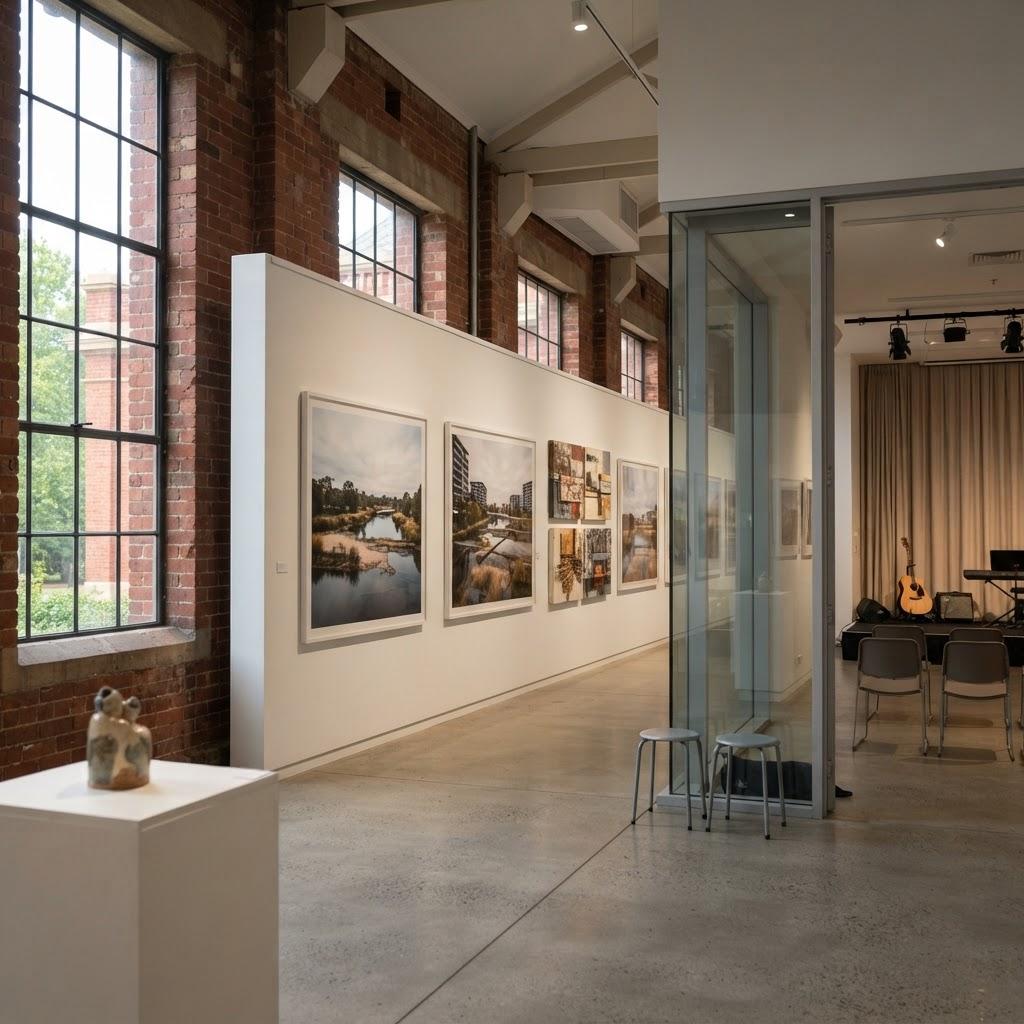
Essendon was named after the village of Essendon in Hertfordshire, England by Richard Green, who settled in the area in the 1850s. The Wurundjeri clan of the Woiwurrung speaking people of the Kulin nation were the original inhabitants of Essendon and the Maribyrnong River banks. These facts form the starting point for visitors seeking to understand the suburb through its established historical institutions rather than general overviews.
Origins and Indigenous Context
Visitors can begin at the Essendon Historical Society Museum, referenced in local directories and reviews, to examine records on the naming by Richard Green and the presence of the Wurundjeri clan along the river banks. The museum maintains collections tied directly to these verified points, allowing structured exploration of how early settlement and pre-existing habitation shaped the area. No current programs are listed in the sources, so inquiries focus on existing archival access rather than scheduled events.
Government and Infrastructure Records
Local government arrived in 1861 when the Municipal District of Essendon and Flemington was proclaimed, and Essendon became a City in 1909. The Melbourne and Essendon Railway opened a line from North Melbourne to Essendon in October 1860, and the line became the first electrified train in Australia in 1919. These dated milestones appear in society holdings and support guided review of primary documents at the museum. The sources provide no visitor prices or session times, directing attention to qualitative study of the timelines themselves.
Administrative Changes and Current Access
In 1994, the City of Essendon merged with part of the City of Keilor to become the City of Moonee Valley, where Essendon remains a residential suburb today. This transition is recorded at the Essendon Historical Society Museum, listed on Tripadvisor and society sites. Visitors gain practical value by consulting these archives for continuity between past proclamations and present suburb status. The museum serves as the primary venue supported by the sources for such review.
Practical next steps involve contacting the Essendon Historical Society through its listed online presence to arrange access to the documented materials on naming, inhabitants, local government dates and railway electrification. This approach keeps engagement limited to facts traceable to the verified sources without added assumptions.
References Sourced but Not Limited to:
- esshissoc.org.au
- historyvictoria.org.au · Essendon historical society inc
- esshissoc.org.au · Localhistory
- melbz.com.au · History
- schickerling.com.au · Celebrating essendon rich past today
- emelbourne.net.au · Biogs
- tripadvisor.com · ShowUserReviews g2023413 d20812347 r823510057 Essendon Historical...
- en.wikipedia.org · Essendon, Victoria
- en.wikipedia.org · Essendon Football Club