finance
Oil and Currency Shift Signal Relief for Glen Waverley Households
As crude climbs and the dollar strengthens, households face diverging pressures on groceries and energy bills, while investors hunt for the winners.
Listen in English · 5 min
How we reported this
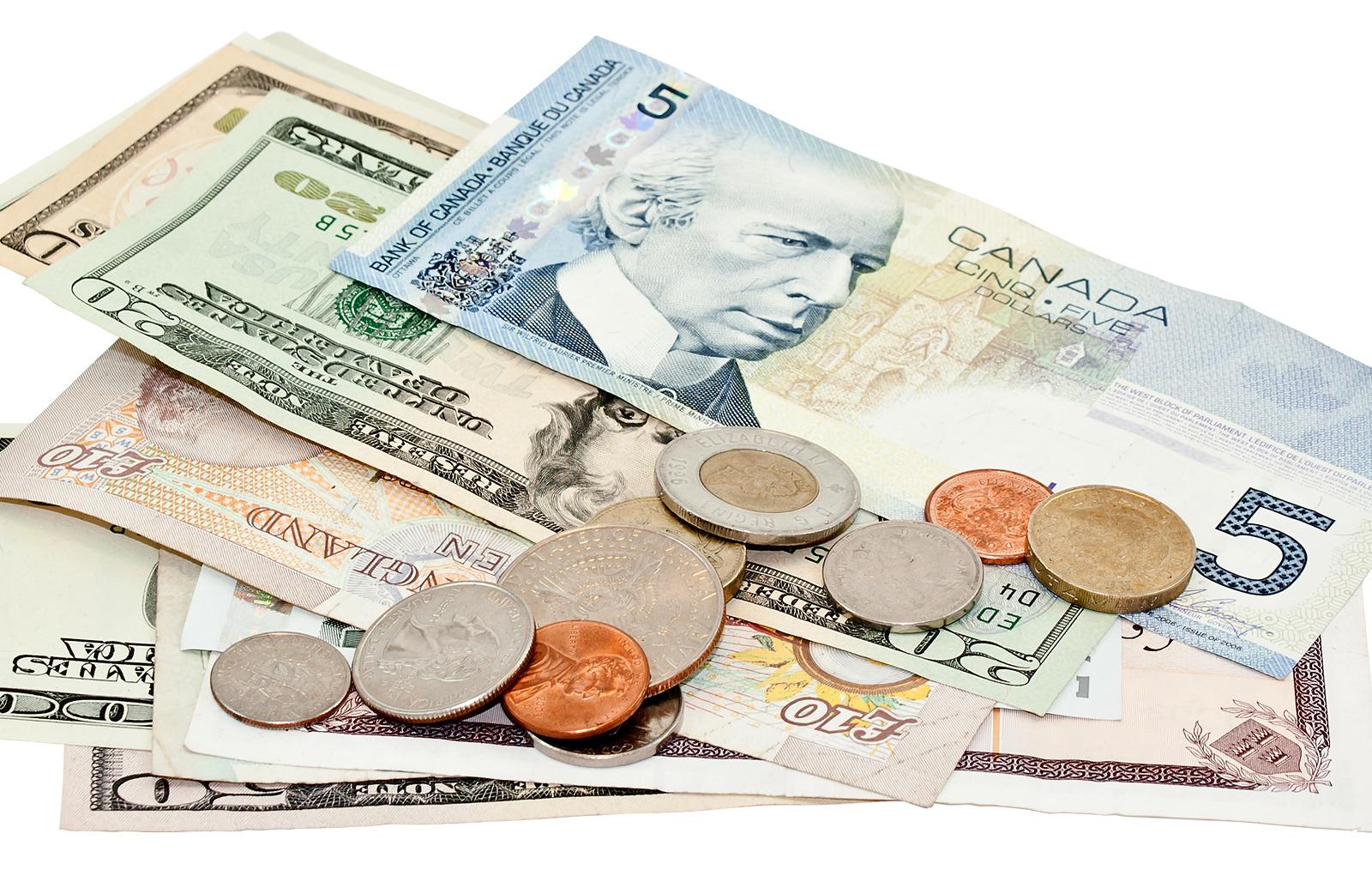
The ASX 200 slipped 0.43 percent on a day when the real action played out offshore. WTI crude oil jumped 4.17 percent to US$71.41 a barrel-the sharpest single-day move in three weeks-while the Australian dollar firmed to 0.6955 against the greenback, up 0.26 percent. For Glen Waverley households watching their power bills and petrol pump costs, the divergence matters enormously. A stronger currency typically eases the cost of imported goods priced in US dollars. A rising oil price, by contrast, threatens to push energy costs higher before any lag effect reaches the pump.
The dollar's strength is the more immediate relief. At 0.6955, the local currency is holding near levels last seen in mid-2024, before the US Federal Reserve embarked on its rate-cutting cycle. That matters directly to households. When the currency firms, the landed cost of imported food, electronics, clothes and vehicles falls. Supermarket chains that source products in US dollars face lower wholesale costs. Those savings don't always flow instantly to the till, but competitive pressure forces the issue. For retirees and super fund members holding unhedged international shares-a meaningful cohort in Glen Waverley's property-rich, self-managed super fund base-the currency tailwind adds a percentage point or two to portfolio returns.
The oil surge tells a different story. A 4.17 percent one-day jump signals either supply-side jitters (production cuts, geopolitical tension) or demand expectations (economic reopening, airline strength). Either way, fuel costs tend to lag crude by two to four weeks. Petrol at the Glen Waverley service stations will likely edge higher in the coming fortnight unless crude momentum reverses. Energy bills follow a different calendar-power companies pass through fuel costs on a quarterly or monthly basis, but the effect compounds. Households on fixed-rate electricity contracts escape the immediate hit; those on variable rates face a headwind into spring.
The Super and Sharemarket Split
The broader market tells a tale of two economies. The S&P 500 rose 1.23 percent and the Nasdaq surged 1.74 percent, buoyed by expectations of sustained US growth despite the Fed's loosening bias. Gold fell 1.00 percent to US$4,114 an ounce, reflecting risk appetite rather than flight to safety. But the All Ordinaries slipped 0.49 percent, worse than the ASX 200's 0.43 percent decline. That gap signals weakness in junior stocks and small-cap names, typical of periods when inflation expectations revive.
For super fund members in Glen Waverley with 60-40 equity-bond allocations, the US strength masks a local diversification benefit. The dollar's firmness clips the value of foreign currency exposure, but rising US equities offset that drag. Where the pressure bites is in domestic energy stocks and retailers exposed to consumer discretionary spending. If oil stays elevated, energy plays attract some buyers. But if consumers start shifting grocery and fuel spending, clothing and leisure retailers will contract. That's the calculation active fund managers are already running.
Bitcoin's 2.48 percent rise to US$63,805 reflects the broader risk-on tone. Crypto is a tell-tale sign of asset-class rotation away from defensive havens. For Glen Waverley investors dabbling in crypto through super or direct holdings, the move is modest but steady. More significant is the pattern: bond yields rising in the US, equities rallying, and inflation-hedged assets (commodities, oil, soft metals) beginning to attract fresh attention.
The immediate cost-of-living implication is mixed. Households will see some relief at the supermarket as the dollar strength filters through supply chains. They won't see it at the pump or power meter for several weeks yet. Savers and fixed-income investors remain squeezed-the 2.48 percent crypto bounce signals the asset class rotation away from boring safety. And those with significant unhedged US equity exposure in their super fund are collecting a small currency-driven bonus on top of the US market gains. That divergence-between household wallets (squeezed on energy) and investment returns (lifted by foreign equity strength)-defines the cost-of-living picture for the next quarter.
This article is general information only and is not personal financial or investment advice. Consider your own circumstances and seek licensed professional advice before making financial decisions.