Politics
Mitcham Property Tax Freeze Referendum: Projected Effects on Local Household Budgets
The ballot measure would cap annual council rate increases at 2.5 per cent for three years, directly shaping property tax bills mailed to Mitcham addresses starting in 2027.
How we reported this
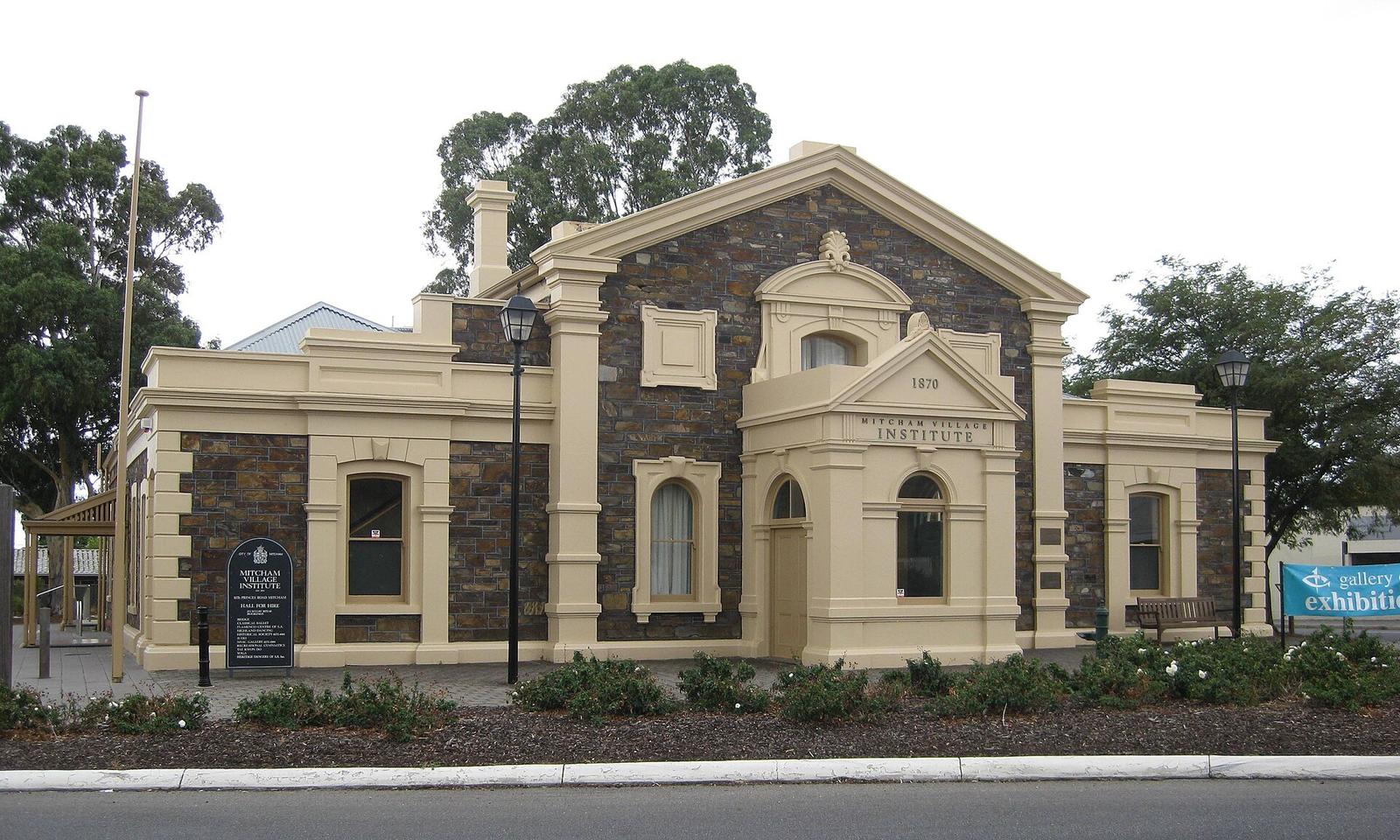
The upcoming Mitcham ballot measure asks voters to approve a three-year cap on council property tax increases. Passage would limit annual rises to 2.5 per cent for residential and commercial properties within the Mitcham local government area. The change would affect every ratepayer who receives a quarterly bill from the council finance office.
Why the measure appears on the July 2027 ballot
Council documents released in May 2026 show that average residential rates rose 4.8 per cent last financial year, driven by higher waste collection contracts and road maintenance costs. Local advocates note that inflation in utility charges has outpaced wage growth recorded in the latest labour force survey for the Mitcham statistical area. The referendum therefore tests whether voters want to constrain future rate revenue to ease pressure on take-home pay.
Under the proposed cap, a household currently paying 2,400 dollars in annual council rates would face a maximum increase of 60 dollars in the first year. That figure rises to 61.50 dollars in year two and 63.04 dollars in year three if the cap holds. The legislation states that any excess revenue from growth in property values must be returned through rebates rather than spent on new programs.
Next steps for voters and the council
Ballot papers will be mailed to all enrolled electors by 15 June 2027. The council finance team has scheduled three public briefings at the Mitcham civic centre on consecutive Tuesdays in May. Results will be certified by the electoral commission within 14 days of the close of polls, after which the rate freeze takes effect on 1 July 2027 if approved.
Policy analysts say the measure would reduce projected council revenue by 1.2 million dollars over the three years, requiring adjustments to capital works schedules already listed in the 2026-2030 infrastructure plan. Residents can review the full text of the enabling ordinance on the council website before the vote.