Politics
St Albans Voters Decide Housing Sites and Developer Contributions Today
The referendum on the updated St Albans Neighbourhood Plan will determine how new housing sites are allocated and what infrastructure contributions developers must make within the district boundaries.
How we reported this
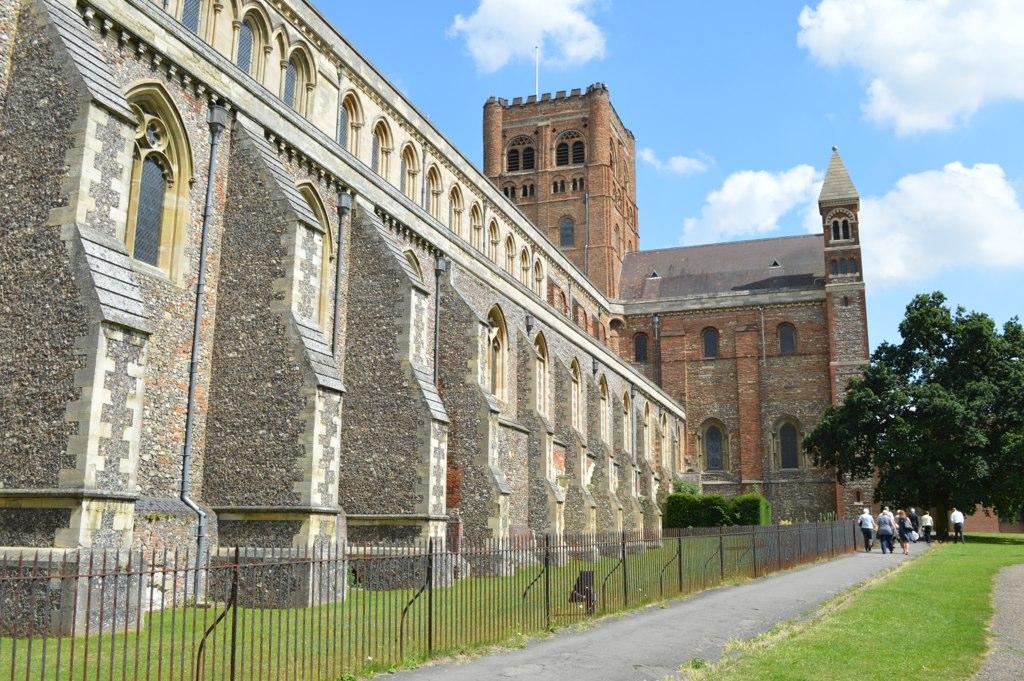
The St Albans City and District Council has scheduled a referendum on 18 September 2026 for residents to vote on the revised Neighbourhood Plan. The measure affects all households in the district by setting rules for where 2,800 new homes can be built over the next decade and how developer payments will support roads and schools.
National planning reforms passed in 2025 require local areas to hold binding votes on neighbourhood plans before they gain full legal weight. St Albans last held such a vote in 2018, and the new version responds to updated housing targets set by the government for Hertfordshire districts.
Effects on Daily Services and Costs
Residents in wards such as Marshalswick and Sopwell would see planning applications judged against the new site allocations rather than the 1994 district plan. The legislation states that approved sites must include 40 percent affordable units and contributions to a £12 million pot for local transport upgrades. Households near proposed sites could face changes in traffic volumes once construction begins, while areas outside the allocations would retain existing green-belt protections.
Policy analysts note that the plan directs developer levies toward specific projects listed in the council's 2026 infrastructure schedule, including junction improvements at the A414 and additional classroom places at three primary schools. The measure does not alter council tax rates directly but ties future payments to the number of permissions granted under the new rules.
Evidence from Council Records
Council budget papers for 2025-26 show that infrastructure contributions collected under the existing Community Infrastructure Levy totalled £4.2 million last year. The updated plan projects an annual increase to £6.8 million if the referendum passes, based on the higher housing numbers required by the national standard method. Local advocates note that this figure would cover only part of the £18 million identified need for secondary school expansion in the district.
The referendum result will be declared on the same evening as the vote. If approved by a simple majority, the plan takes effect immediately and remains in force until 2036 unless formally reviewed earlier by the council.