property
Albert Park Achieves Highest Rental Yields, Attracting Serious Property Investors
New rental data puts Albert Park at the front of the pack for gross yields, and the numbers are drawing serious attention from property investors tired of chasing paper gains elsewhere.
How we reported this
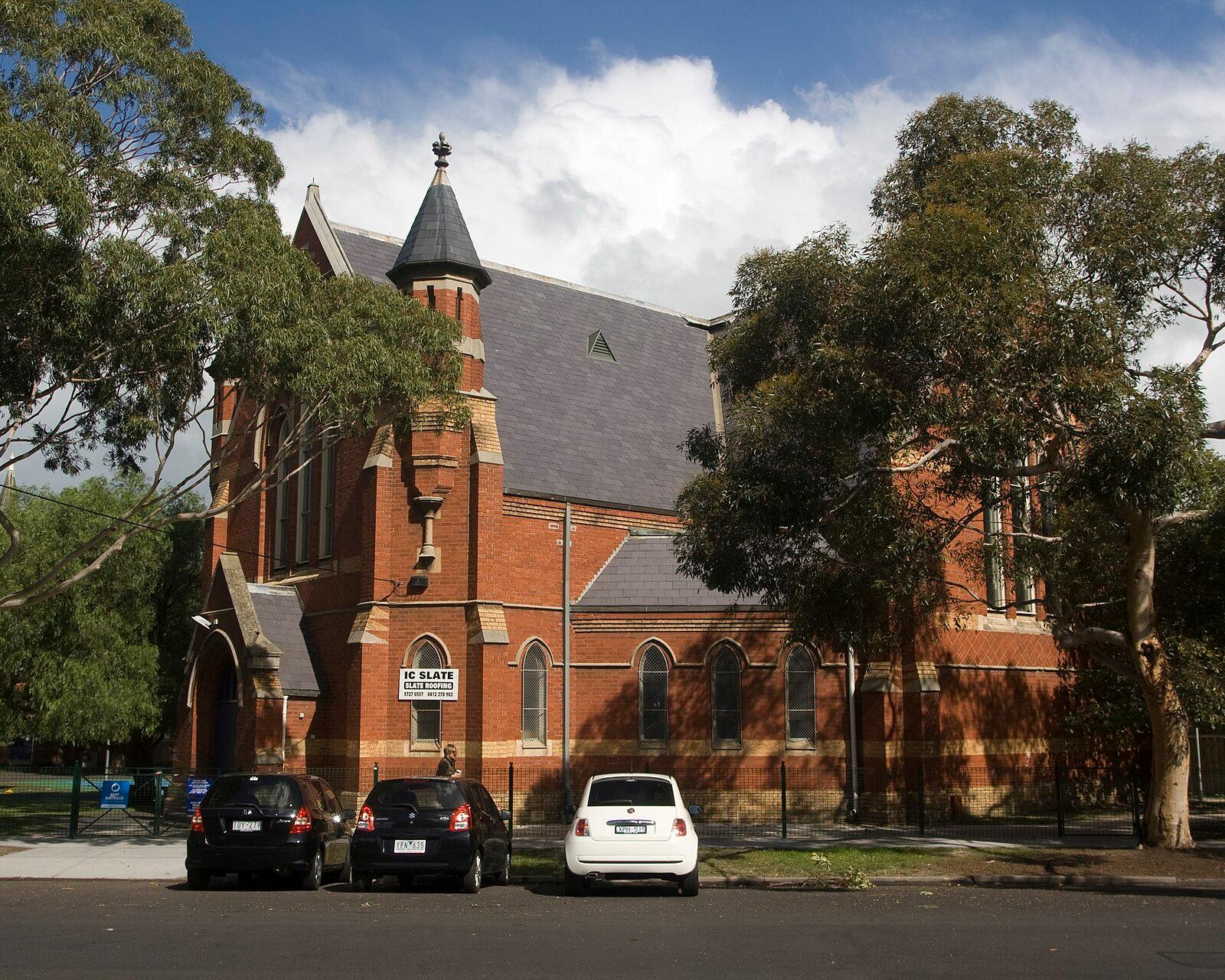
Albert Park is posting the strongest gross rental yields in its local market, with figures hovering between 4.8 and 5.4 percent across a cluster of streets running south from Bridport Street toward the foreshore reserve. That range outstrips comparable inner-city neighbourhoods by a margin that property analysts are calling the widest gap in three years.
The timing matters. Interest rates have eased twice since March 2026, and landlords who locked in fixed borrowing costs during the rate peak are now watching their net returns sharpen considerably. At the same time, vacancy rates across the Albert Park rental market have tightened to around 1.2 percent, a figure that puts prospective tenants in fierce competition for any property that hits the market. When yield goes up and vacancy goes down simultaneously, investors tend to move fast.
Where the Numbers Are Strongest
The pocket generating the most attention sits along Beaconsfield Parade and its immediate hinterland, particularly the side streets between Morey Street and Dundas Place. One-bedroom apartments in that corridor are leasing at $420 to $460 per week, while purchase prices for comparable stock remain anchored in the $580,000 to $650,000 range, a combination that produces gross yields above 5 percent before expenses. Two-bedroom terraces along St Vincent Place North, which face the heritage-listed gardens managed by Parks Victoria under the St Vincent Place Conservation Study, are fetching $680 to $720 per week and selling for around $1.15 million, good for yields nudging 3.3 percent, lower but underpinned by asset scarcity that rarely wavers.
The Albert Park Primary School zone boundary, which cuts along Danks Street, continues to function as a de facto price premium line. Properties north of Danks consistently achieve rental premiums of 8 to 12 percent over equivalent stock just outside the catchment, according to sales data compiled by the local office of Nelson Alexander. That school-zone effect has compressed yields slightly on the northern fringe but kept demand, and therefore occupancy rates, exceptionally stable year-round.
The Lake precinct itself remains the suburb's most recognisable drawcard. The Albert Park Lake jogging and cycling circuit draws an estimated 2,000 users on peak weekend mornings, a figure that local real estate agents cite whenever pitching the lifestyle argument to prospective investors. The proximity of Middle Park Beach and the Gasworks Arts Park on Graham Street adds the kind of amenity stack that attracts the professional renter demographic, typically employed adults aged 28 to 42, who pay on time and stay longer than average lease terms.
What Investors Should Watch Before Committing
Gross yield is only the opening line of the calculation. Body corporate fees on the older apartment blocks along Beaconsfield Parade can run between $3,500 and $6,200 annually, and several buildings constructed in the 1970s are carrying deferred maintenance levies that can arrive suddenly. Any investor targeting the high-yield corridor should request a minimum ten-year owners corporation record before signing a contract of sale.
Council rates set by the City of Port Phillip for the 2025-26 financial year average $2,340 for residential properties assessed in the $600,000 to $700,000 band, a cost that needs factoring into net yield calculations. Land tax thresholds have also shifted after the state government's January 2026 revision, and investors holding multiple properties will feel that change most acutely on anything settled after 30 June 2026.
Rental demand shows no sign of softening heading into the second half of 2026. The Albert Park Yacht Club, which recently completed a $2.1 million upgrade to its Aquatic Drive facilities, is adding 140 new social memberships, the kind of detail that sounds minor until you realise it signals continued discretionary spending in the suburb, the reliable tell of a rental market that isn't going soft. Investors who have done their sums on Bridport Street or the Dundas Place pocket should treat the current window seriously. Opportunities at these yield levels, in a suburb with this vacancy rate, close without much warning.
This article is general information only and is not personal financial or investment advice. Consider your own circumstances and seek licensed professional advice before making financial decisions.