wellness
Albert Park's Paths Transform Daily Walks Into Powerful Mindfulness Practice
Albert Park's network of paths, lake trails and tree-lined streets offers the perfect classroom for one of the most accessible mindfulness practices you've never tried.
How we reported this
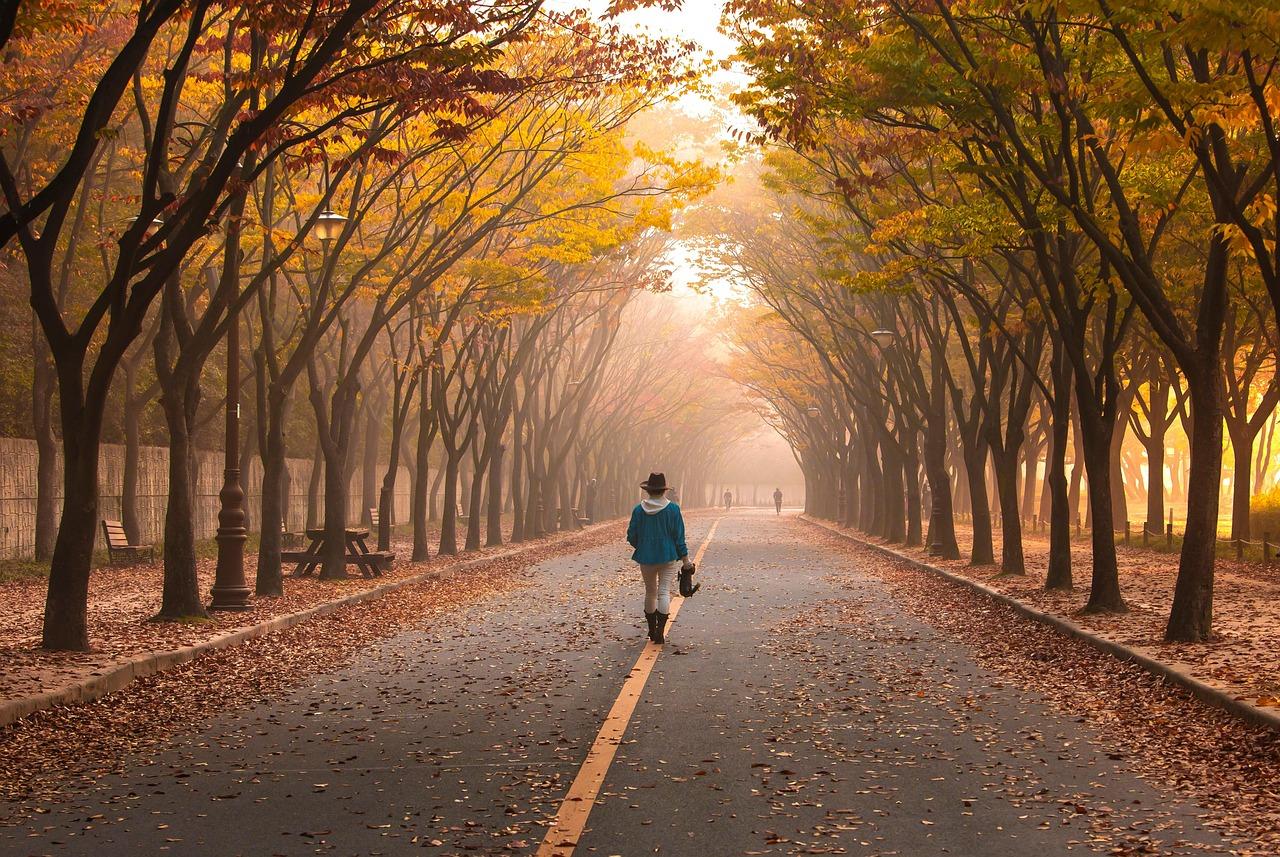
Most Albert Park residents already walk. The question is whether they're getting anything out of it beyond steps on a fitness tracker. Walking meditation, a practice rooted in Buddhist tradition but increasingly recommended by secular mindfulness programs worldwide, turns an ordinary 20-minute circuit into something closer to a moving therapy session.
The timing matters. July 2026 has been a month of unsettling heat and ambient stress. With cost-of-living pressure grinding on, and a general cultural mood that feels frayed at the edges, there's a growing appetite among Albert Park locals for wellness practices that don't require a gym membership, an app subscription, or a 6am alarm. Walking meditation requires none of those things. It requires, essentially, a pair of shoes and a willingness to slow down.
Start Where You Are: Albert Park Lake and Beaconsfield Parade
The 5-kilometre path circling Albert Park Lake is one of the most well-used recreational corridors in the suburb, drawing walkers, joggers and cyclists from dawn to dusk. For walking meditation purposes, the eastern edge, from the kiosk near Aquatic Drive through to the shade of the Morton Bay figs near Lakeside Drive, is ideal. Traffic noise drops, the path widens, and there's enough visual texture in the waterline and birdlife to anchor attention without overwhelming it.
The Albert Park Meditation and Yoga Centre on Dundas Place runs an eight-week Mindfulness-Based Stress Reduction course, the gold standard program developed at the University of Massachusetts in 1979, that dedicates a full session to walking meditation. The next intake begins 12 July 2026, with sessions priced at $420 for the full course. Facilitators there describe the lake path as a natural extension of the classroom, often sending participants out onto Beaconsfield Parade for 15-minute solo walking practices between group discussions.
The mechanics are simpler than most people expect. The practice asks you to walk at roughly half your normal pace, directing attention to the physical sensation of each footfall, heel, arch, toe, rather than to the mental to-do list that usually colonises a walk. Breathing stays natural. The eyes stay soft, cast slightly downward. When the mind wanders to dinner plans or a difficult email, the instruction is the same as seated meditation: notice it, and return. No judgment. Just return.
The Evidence Is Harder to Ignore Than It Used to Be
Research published in the journal Mindfulness in 2023 found that eight weeks of regular walking meditation practice reduced self-reported anxiety scores by 27 percent in participants with no prior meditation experience. A separate 2024 trial out of King's College London, involving 312 adults over 10 weeks, found walking meditation produced comparable reductions in cortisol levels to seated mindfulness practice, with the added cardiovascular benefit of the physical movement itself.
For Albert Park, a suburb with a median age of 36 and a workforce heavily skewed toward knowledge-economy jobs, creative industries, tech, healthcare, legal, the stress profile is specific. Long screen hours, mentally demanding work, and often a hard cut between professional life and personal time. Walking meditation sits neatly in that gap. You're already walking home from the tram stop on Park Street. The distance is roughly 600 metres. That's enough.
The Albert Park Community Centre on Aquatic Drive hosts a free drop-in walking meditation group every Wednesday morning at 7:30am, weather permitting, run by volunteers trained through the Insight Meditation Society's community teacher program. No registration required. Participants gather near the southern boat ramp and walk together in silence for 30 minutes before a brief group reflection.
If joining a group feels like a step too far, start alone. Pick the quietest stretch of your usual route, the stretch of Merton Street between Montague and Richardson works well mid-morning, and commit to walking it slowly, once, without headphones. Notice what happens. The practice doesn't ask for belief. It only asks for attention.