wellness
Exercise for Anxiety Relief in Box Hill: Science-Backed Benefits
Discover how regular physical activity rivals medication for anxiety relief. Learn why Box Hill's fitness community is uniquely positioned to combat seasonal anxiety this winter.
Listen in English · 4 min
How we reported this
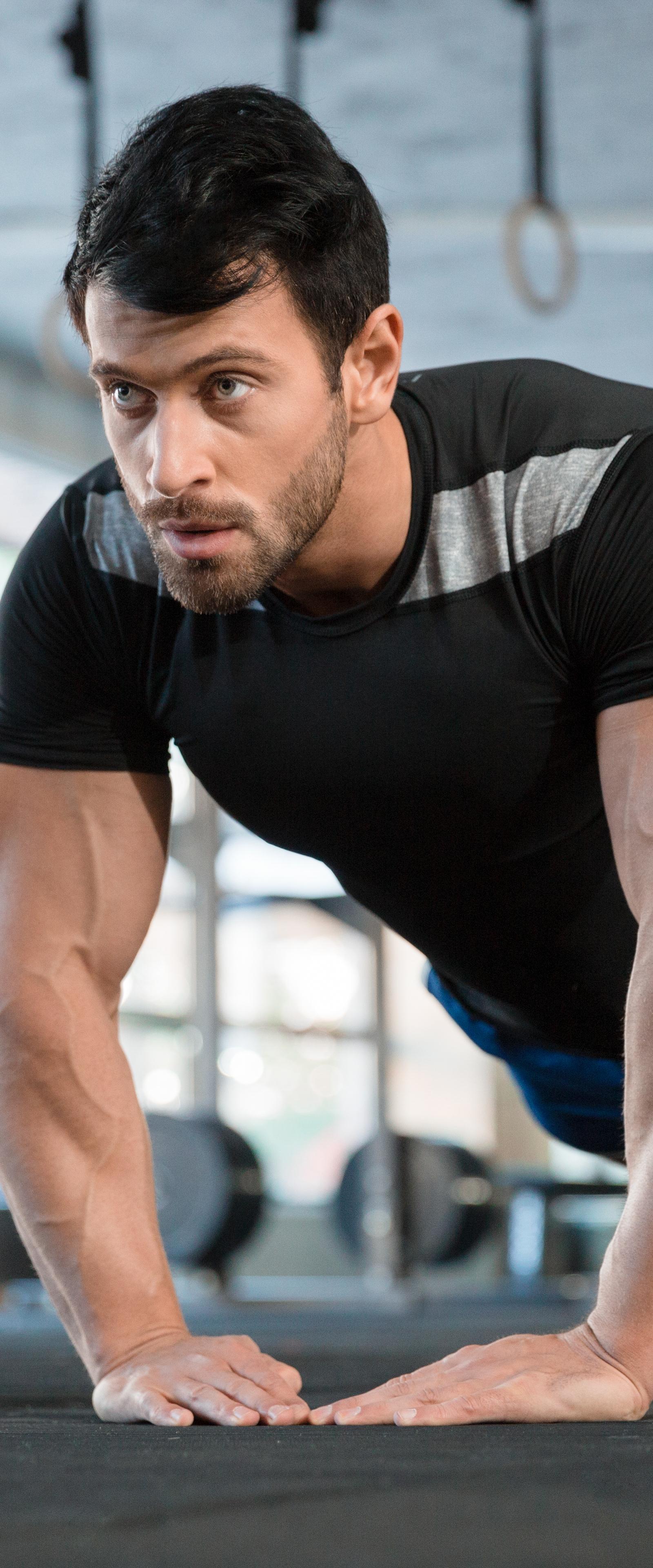
The evidence is blunt: exercise works on anxiety. A 2023 meta-analysis published in JAMA Psychiatry found that physical activity reduced anxiety symptoms across 97 reviewed trials, with moderate-intensity aerobic exercise producing effects comparable to first-line pharmaceutical interventions. For the roughly one in five Australians who experience an anxiety disorder in any given year, a figure cited by Beyond Blue, that finding matters enormously. And for Box Hill residents, many of whom already treat Saturday morning runs along Elgar Road like a community ritual, it lands close to home.
The timing is pointed. July 2026 has brought an unusually dismal mid-winter stretch, cold, grey days that push people indoors and compress the social contact that buffers against low mood. Seasonal dips in motivation are well-documented; the challenge is keeping movement habitual precisely when the instinct is to stay on the couch. Local health practitioners say winter is consistently when they see the first uptick in stress-related presentations, making this the moment to reinforce the exercise-anxiety connection before it becomes a crisis-management conversation.
What the Research Actually Says
The mechanism isn't magic. Aerobic exercise triggers the release of norepinephrine, serotonin and brain-derived neurotrophic factor, a protein that supports the growth of new neurons, particularly in the hippocampus, a region that shrinks under chronic stress. Even a single 20-minute brisk walk has been shown to reduce self-reported anxiety for up to two hours afterward. Resistance training carries similar benefits; a 2022 study in Scientific Reports tracked 54 adults over eight weeks and found twice-weekly weight sessions cut generalised anxiety scores by 27 percent.
Frequency matters more than intensity. The World Health Organisation recommends 150 minutes of moderate activity per week for adults, roughly 22 minutes a day. Most people fall short, but researchers consistently find that the anxiety-reducing effect appears even at lower doses, with the biggest gains going to those moving from nothing to something rather than from moderate to intense.
Box Hill's Built-In Advantage
Box Hill is, by local standards, unusually well-resourced for this kind of everyday movement. The Box Hill Brickworkers Athletics Club runs structured track sessions every Tuesday and Thursday evening at the Schwerkolt Cottage precinct on Broughton Street, with a beginner's program that explicitly targets stress management rather than competitive performance. Entry fees are $10 per casual session. The club's winter membership costs $85 for the July-to-September quarter.
The Box Hill Aquanation centre on Doncaster Road is another anchor. Its lap pool operates from 5:30am on weekdays, and the centre runs a midday 'Wellbeing Swim' slot specifically marketed to adults managing anxiety or burnout, 45 minutes of unstructured pool time at $9.50 per entry. Aquatic exercise is particularly useful for anxiety because the combination of rhythmic movement, breath control and cold-water immersion activates the parasympathetic nervous system, effectively hitting a physiological reset.
Further along Station Street, the Box Hill Community Arts Centre hosts a weekly Qigong class every Wednesday morning, a practice with a modest but growing evidence base for anxiety reduction, particularly among adults over 40. The $12 drop-in class draws a regular cohort of 15 to 20 participants.
Whitehorse City Council's active transport data shows that walking and cycling trips along the Koonung Creek Trail, which cuts through the suburb from Elgar Road toward Blackburn, increased 14 percent between 2023 and 2025, suggesting residents are already moving in this direction, even if few would frame a trail walk as a mental health intervention.
The practical prescription, according to the research, is simple: pick something you will actually do on a cold Wednesday morning. Three 20-minute walks along the Koonung Creek Trail each week clears the WHO threshold and delivers measurable anxiety relief. Adding a single resistance session, a gym class, a Brickworkers track night, a home circuit, amplifies the effect. The goal is consistency over six to eight weeks, which is when neurological changes become self-sustaining. Anyone experiencing significant or persistent anxiety symptoms should consult a local GP or mental health professional at one of Box Hill's bulk-billing clinics on Main Street before relying on exercise alone.