wellness
Mindfulness Physically Reshapes Your Brain, Neuroscience Now Proves
Neuroscience is catching up to what Craigieburn's meditation practitioners have long suspected, regular mindfulness reshapes brain structure in measurable, lasting ways.
How we reported this
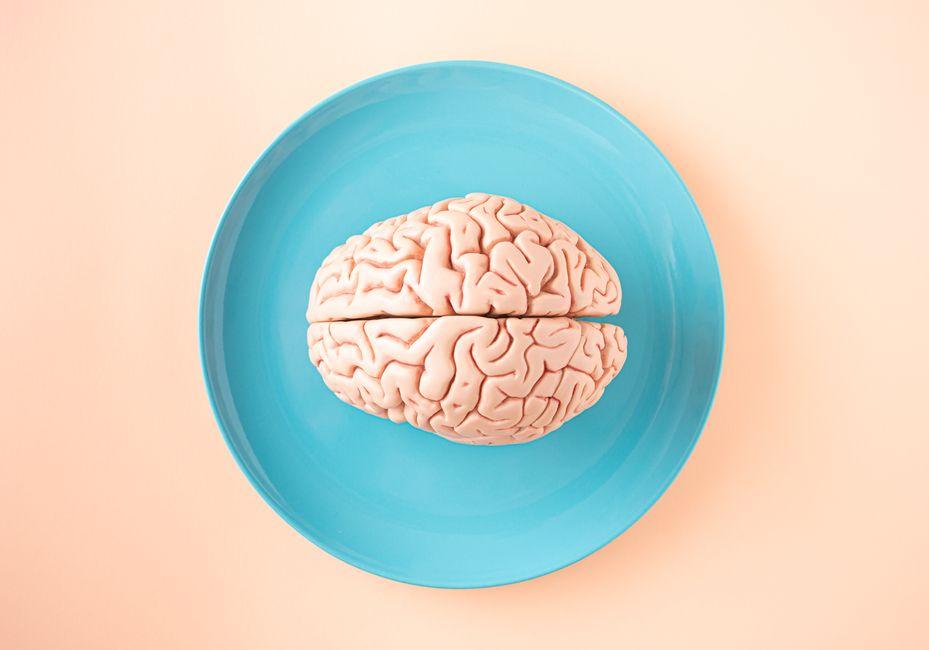
Eight weeks. That's all it takes for a consistent mindfulness practice to produce detectable changes in the grey matter of your brain, according to research published in Psychiatry Research: Neuroimaging. The Harvard-led study found participants who completed an eight-week Mindfulness-Based Stress Reduction program showed increased cortical thickness in the hippocampus, the region governing learning and memory, and reduced grey matter density in the amygdala, the brain's alarm system for stress and fear responses.
That finding matters right now, in the middle of a winter that has pushed many households into a familiar cycle of shorter days, disrupted sleep, and mounting pressure. Across the Hume corridor, community wellbeing coordinators and local fitness operators report that interest in structured mindfulness programs typically spikes between June and August, when reduced daylight hours collide with school-holiday fatigue and cost-of-living stress.
What's Actually Changing Inside Your Head
The brain changes aren't subtle or metaphorical. Neuroimaging research shows that long-term meditators, defined in most studies as people practising at least 30 minutes daily for several years, develop a measurably thicker prefrontal cortex compared to non-meditators of the same age. The prefrontal cortex handles decision-making, attention regulation, and emotional control. Simultaneously, the default mode network, the neural circuitry that fires when your mind wanders and ruminates, shows reduced activity in experienced practitioners. Less rumination means fewer stress hormones, particularly cortisol, cycling through your body on repeat.
Mindfulness-Based Cognitive Therapy, a clinical program adapted from the original MBSR model, is now recommended by the UK's National Institute for Health and Care Excellence as a first-line treatment for recurrent depression. The program runs typically over eight sessions, each around two hours, with guided practice between sessions. In a 2021 meta-analysis covering 136 randomised controlled trials and more than 11,000 participants, mindfulness-based interventions produced moderate to large reductions in anxiety, depression, and pain scores compared to control groups.
Where Craigieburn Locals Are Practising
Two local venues have made structured mindfulness accessible without requiring a clinical referral. The Craigieburn Community Hub on Craigieburn Road runs a six-week introduction to meditation program through its community wellness calendar, with sessions held on Tuesday evenings from 7pm. The cost is $12 per session or $60 for the full block, a price point designed to keep barriers low.
Breathe Studio on Aitken Boulevard offers a dedicated mindfulness and breathwork class on Saturday mornings, drawing participants from the Highlands estate and surrounding pockets of the suburb. The Saturday session incorporates body-scan techniques and focused-attention training, both of which appear prominently in the peer-reviewed literature as the methods most reliably linked to amygdala volume reduction.
For those preferring a self-directed start, the Hume City Council's Active Hume program maintains a free resource library through its website, including a downloadable four-week beginner's mindfulness guide developed in partnership with community health providers in the 2024-25 financial year.
The practical entry point matters. Most neuroscience studies showing meaningful brain changes used daily practice sessions of between 20 and 45 minutes. But shorter, consistent practice, even 10 minutes a day tracked through apps or guided audio, shows benefit for stress reduction within four weeks, according to research out of Carnegie Mellon University published in 2018. Starting small is genuinely supported by the science.
If you're carrying persistent anxiety, low mood, or sleep disruption, the brain science is useful context, but a conversation with your GP or a registered psychologist at a local provider like Hume Whittlesea Primary Care Partnership remains the right first step for personal health decisions. Mindfulness is a tool, not a replacement for clinical care. Used consistently, though, it is one of the few wellness practices where the neurological evidence is both robust and replicable.