wellness
Eltham's Local Shops Sell 5 Fermented Foods That Boost Gut Health
From kimchi to kefir, Eltham's thriving food scene has everything you need to start feeding your microbiome, no specialist supplement required.
How we reported this
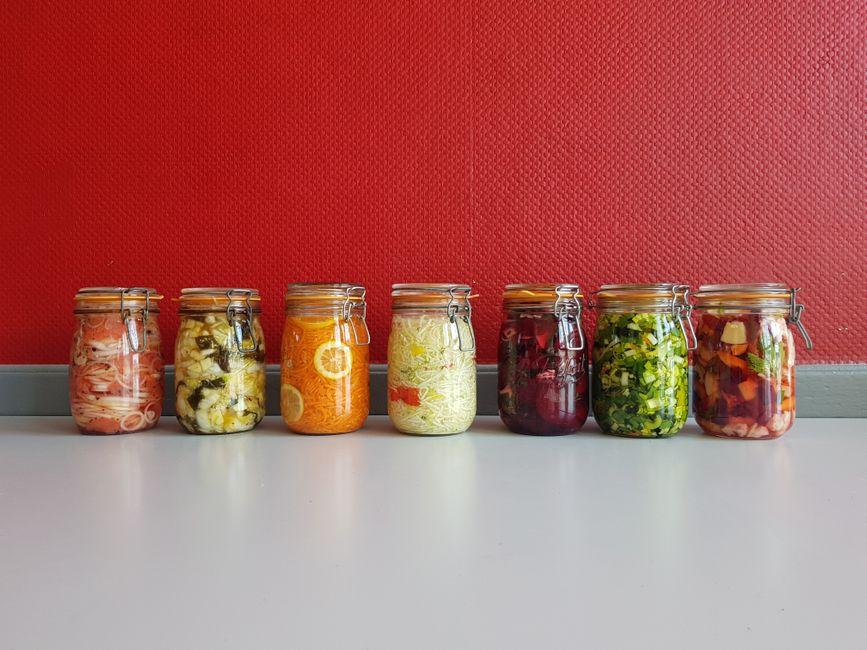
The gut health conversation has officially moved out of the clinic and onto the high street. Fermented foods, long the preserve of niche health food circles, are now filling shelves at mainstream retailers, and Eltham residents are spoiled for choice when it comes to sourcing the good stuff locally. The science backing their benefits has hardened considerably over the past three years, making now a reasonable moment to take stock of what's available close to home.
The timing matters. After an unusually warm winter, one that has left many people reporting disrupted sleep, low energy and digestive sluggishness, nutritionists are pointing to gut microbiome support as a practical, low-cost lever people can pull without a prescription. Research published in the journal Cell back in 2021 found that a diet high in fermented foods increased microbiome diversity and reduced inflammatory markers in healthy adults over a ten-week period. That study followed 36 participants, and its findings have been replicated in smaller trials since. The broader point is consistent: regularly eating fermented foods appears to benefit the trillions of bacteria that govern digestion, immunity and mood.
What to Look For, and Where in Eltham to Find It
Eltham Farmers' Market, which runs on the fourth Saturday of each month at Eltham Community and Reception Centre on Arthur Street, is the most direct route to genuinely small-batch fermented produce. Regular stallholders include producers carrying raw, unpasteurised sauerkraut and kombucha, the unpasteurised distinction matters because heat processing kills the live bacterial cultures that generate the health benefit. Expect to pay between $8 and $14 for a 400g jar of locally fermented sauerkraut; commercial supermarket versions average closer to $4 but are typically pasteurised.
Diamond Creek Road is worth a slow walk. The Eltham Health Food Centre stocks a rotating selection of miso pastes, including unpasteurised varieties from a Victorian producer, as well as water kefir grains for anyone wanting to ferment at home. Staff there have been running informal tasting sessions on the first Friday of each month, free of charge, since February 2026. Kimchi options have expanded noticeably this year; three different heat levels are currently available, starting at $10 for a 300g tub.
For kefir, the fermented milk drink that delivers a denser concentration of bacterial strains than most yoghurts, Eltham Organic Grocer on Main Road carries two brands, one of which is produced within 60 kilometres of the store. A 500ml bottle runs to about $7.50. Full-fat versions retain more of the fat-soluble compounds that support the cultures' survival through the digestive tract, which is a point worth keeping in mind when choosing between varieties.
Getting Started Without Overcomplicating It
The trap with gut health content is that it rapidly becomes overwhelming, 47 supplements, three elimination protocols, a six-week reset. The evidence does not support that level of intervention for most people. Starting with one daily serve of a fermented food, a tablespoon of sauerkraut alongside lunch, or a glass of kefir in the morning, is a meaningful step that costs very little and requires no specialist guidance to begin.
Home fermentation is cheaper still. A basic kombucha SCOBY (the bacterial culture required to brew the drink) can be sourced from Eltham Community Seed Library, which expanded its lending to include fermentation cultures in March 2026. The library operates out of the Eltham Library on Main Road and loans cultures free to registered members. Membership itself is free.
Miso deserves more attention than it typically gets. A teaspoon dissolved into warm, not boiling, water preserves the live cultures and constitutes a simple, savoury alternative for people who find sweet fermented drinks unappealing. A 500g tub of unpasteurised miso from the Diamond Creek Road store costs around $12 and will last most households four to six weeks.
Anyone managing a diagnosed gut condition, including IBS, Crohn's disease or SIBO, should speak with a GP or gastroenterologist before making significant dietary changes. The Eltham Medical Centre on Panther Place offers bulk-billed consultations for patients on Healthcare Cards and can refer to accredited practising dietitians through the Chronic Disease Management Plan pathway.