wellness
Greensborough Markets Stock 5 Fermented Foods Gut Scientists Recommend
From kimchi to kefir, Greensborough's shelves and market stalls are stocked with fermented foods that gut-health researchers say deserve a place on your plate.
How we reported this
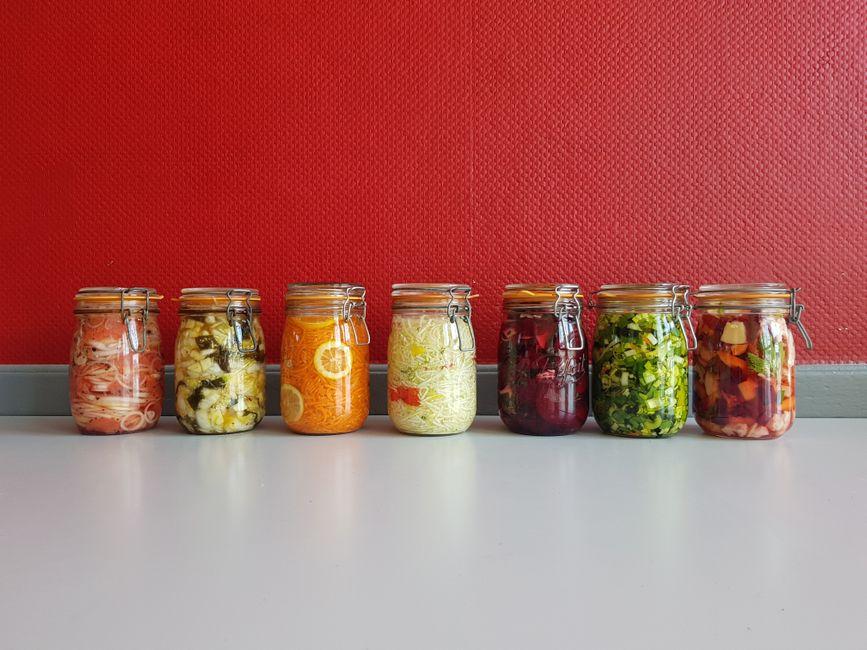
The gut microbiome conversation has moved well beyond specialist clinics. Walk through the Greensborough Plaza precinct on any Saturday morning and you'll find shoppers scrutinising labels on kombucha bottles and asking stallholders whether their sauerkraut is raw or pasteurised. That shift in consumer behaviour is real, and local food retailers say demand for fermented products has roughly doubled over the past two years.
The timing makes sense. After back-to-back years of disrupted routines, irregular sleep, stress-driven eating, over-reliance on convenience food, many people in the Greensborough area are paying closer attention to digestive health. Gut-focused nutrition has moved from fringe wellness circles into mainstream dietary guidance, with the CSIRO's 2025 Gut Health Report recommending adults consume at least two serves of fermented food daily to support microbial diversity. Most Australians currently manage fewer than half that.
What's Actually on Shelves Locally
Greensborough's Flowerdale Road strip has become a quiet hub for specialty fermented goods. The Pantry & Plate, a whole-food grocer operating out of the Greensborough Walk arcade, stocks a rotating selection of locally produced kefir, both dairy and coconut-water varieties, priced between $8.50 and $12 for a 500ml bottle. Staff there point customers toward suppliers who ferment in small batches in the Diamond Creek and Eltham corridor, where the tradition of home fermentation has deep roots in the area's long-standing permaculture community.
The Greensborough Farmers' Market, held on the third Sunday of each month in the car park beside the Diamond Valley Library on Civic Drive, is arguably the best single destination for variety. On a typical market day you'll find at least three vendors selling fermented products: raw kimchi made with local cabbage, traditionally brewed apple cider vinegar, and sourdough loaves where the fermentation process is the point rather than a byproduct. One vendor has sold unpasteurised miso paste there since the market launched in 2019. A 300g tub runs about $14.
Kombucha deserves a mention because it's the fermented product most Greensborough residents already have in their fridges, often without thinking of it in gut-health terms. Research published in the journal Cell in 2021, a Stanford University study involving 36 adults over 17 weeks, found that a high-fermented-food diet increased microbiome diversity and reduced 19 inflammatory proteins compared with a high-fibre diet alone. Kombucha was among the foods consumed. The catch: many commercial kombucha products are pasteurised after brewing, which kills the live cultures that drive the benefit. Reading the label matters. Look for the words "live cultures" or "unpasteurised."
How to Actually Add These Foods to Your Routine
Start small. Gut health practitioners generally advise introducing fermented foods gradually, a tablespoon of sauerkraut with lunch rather than a full serving, to avoid the bloating that can come from a sudden shift in gut bacteria. The fibre from vegetables you'd already eat alongside fermented foods helps the beneficial bacteria thrive once established.
For residents who want to go further, the Eltham Living and Learning Centre, about six kilometres from Greensborough's main strip, runs periodic workshops on home fermentation. Their next scheduled session on making water kefir and lacto-fermented vegetables is listed for late August 2026, with places at $45 per person. It's practical, hands-on, and removes the mystique that often keeps people buying rather than making.
Budget is a reasonable concern. A jar of quality raw sauerkraut at the farmers' market costs $9 to $11 and will last two to three weeks in the fridge as a condiment. Home fermentation drops the cost dramatically, a kilogram of cabbage, some non-iodised salt, and a clean jar is all that's required for a first batch of kraut. The investment is mostly time.
Anyone with an underlying digestive condition, immune issues, or who is pregnant should speak with a GP or registered dietitian before significantly changing their intake of fermented foods. The Greensborough Medical Centre on Main Street bulk-bills and can provide referrals to dietetic services through Medicare's Chronic Disease Management plan where eligible.