wellness
Kensington Battles Loneliness Crisis: Research Confirms Public Health Emergency
New research confirms what many residents already feel, chronic loneliness is now a public health crisis, and the antidote may be closer than you think.
How we reported this
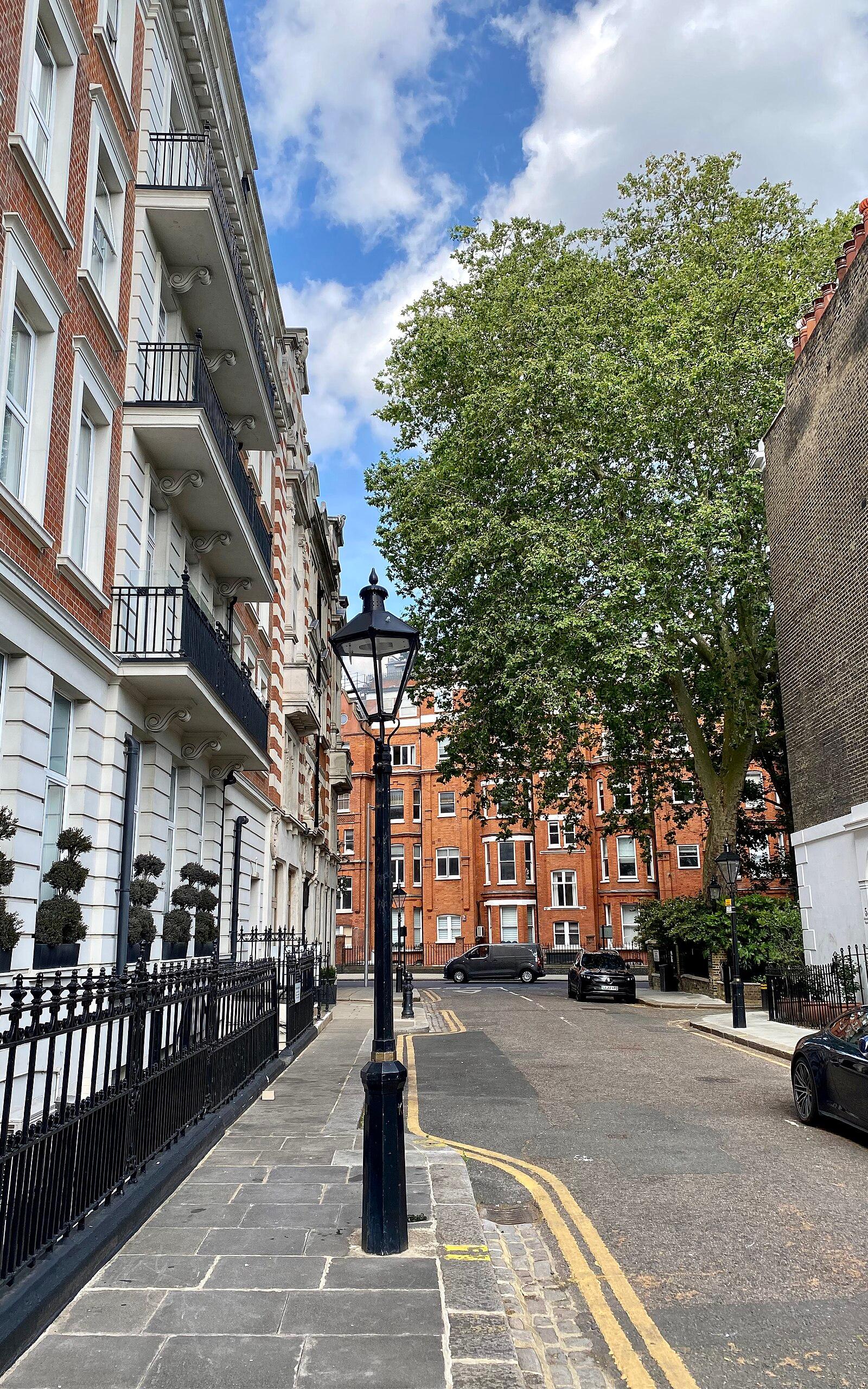
Loneliness kills. That is not hyperbole. The evidence, accumulated across decades of peer-reviewed research, places chronic social isolation on par with smoking 15 cigarettes a day in terms of its effect on mortality risk. Yet in Kensington, a neighbourhood that from the outside looks vibrant, café-crammed and bursting with activity, thousands of residents are quietly struggling with a disconnection that no amount of foot traffic on Kensington High Street can fix.
The timing of this conversation matters. The mid-year slump, combined with the tail end of a particularly punishing winter, pushes mental health indicators in the wrong direction every July. Loneliness spikes when routines break down, when cold mornings make leaving the flat feel heroic, and when the gap between curated social media feeds and real lived experience grows impossible to ignore. GPs at Kensington and Chelsea NHS practices reported a notable uptick in patients citing low mood and social withdrawal as primary concerns during the first quarter of 2026.
What the Numbers Actually Show
The Campaign to End Loneliness, a UK-wide advocacy organisation, estimates that around 3.83 million people in England experience chronic loneliness, defined as feeling lonely often or always. In the Royal Borough of Kensington and Chelsea specifically, the 2024 Adult Social Care Outcomes Framework found that 28 percent of adults with care needs reported feeling socially isolated. That figure rises sharply among residents aged 65 and over living in the W8 and W14 postcodes, where high-value housing stock masks significant hidden disadvantage. Young professionals aged 25 to 34 are the other overlooked cohort; this demographic, many of them renting shared flats near Earl's Court Road, report the highest rates of loneliness in several London borough surveys despite living cheek by jowl with hundreds of neighbours.
The economics of connection compound the problem. A single drop-in therapy session at a private Kensington practice typically costs between £80 and £150. NHS talking therapies through IAPT, Improving Access to Psychological Therapies, carry no charge but come with waiting times that stretched beyond 10 weeks in West London during spring 2026. For many people, formal mental health support simply isn't accessible when they need it most.
Kensington's Community Infrastructure Is the Prescription
The good news: Kensington has genuine social infrastructure that residents are still underusing. The Earls Court Community Centre on Philbeach Gardens runs a structured social prescribing programme in partnership with the local Primary Care Network, matching isolated adults with weekly group activities ranging from shared cooking sessions to guided walks through Holland Park. Referrals come from GPs, but self-referrals are accepted and the programme is free. Spaces in the Thursday afternoon cohort, which began its current cycle in June 2026, are still available.
The Kensington Leisure Centre on Warwick Road offers a less clinical but equally powerful route. Its Saturday morning swim club, open to adults of all abilities from 8am, has built an informal community that several regulars describe as their most consistent weekly social contact. Monthly membership starts at £47.90. Small price for what amounts to a standing appointment with other humans.
Further along the High Street, the charity Age UK Kensington & Chelsea runs a befriending service connecting volunteers with older residents for weekly one-to-one visits or phone calls. Volunteer sign-ups for the autumn 2026 cohort open on 14 July. The ask is roughly two hours a fortnight.
Practical stress management research increasingly points away from solo interventions, meditation apps, breathing exercises, cold showers, and toward scheduled, low-stakes social contact as the most durable anxiety reducer. The mechanism is physiological: face-to-face interaction triggers oxytocin release and suppresses cortisol in ways that screen-based communication does not replicate. A walk around the Round Pond in Kensington Gardens with someone you see regularly, free and available any morning, delivers measurable neuroendocrine benefit. No prescription required.
The practical advice from clinicians at the Royal College of Psychiatrists, published in their 2025 community mental health guidelines, is blunt: identify one recurring social commitment per week and treat it with the same non-negotiable status as a medical appointment. Miss your gym session and the cost is a missed workout. Miss your social anchor and the compounding cost accumulates quietly, invisibly, for months. Kensington has no shortage of entry points. The harder part is walking through the door the first time.