wellness
Moonee Ponds Residents Transform Sleep Habits With Environment Checklist
From Puckle Street to the Moonee Ponds Creek Trail, locals are rethinking what happens before they even close their eyes.
How we reported this
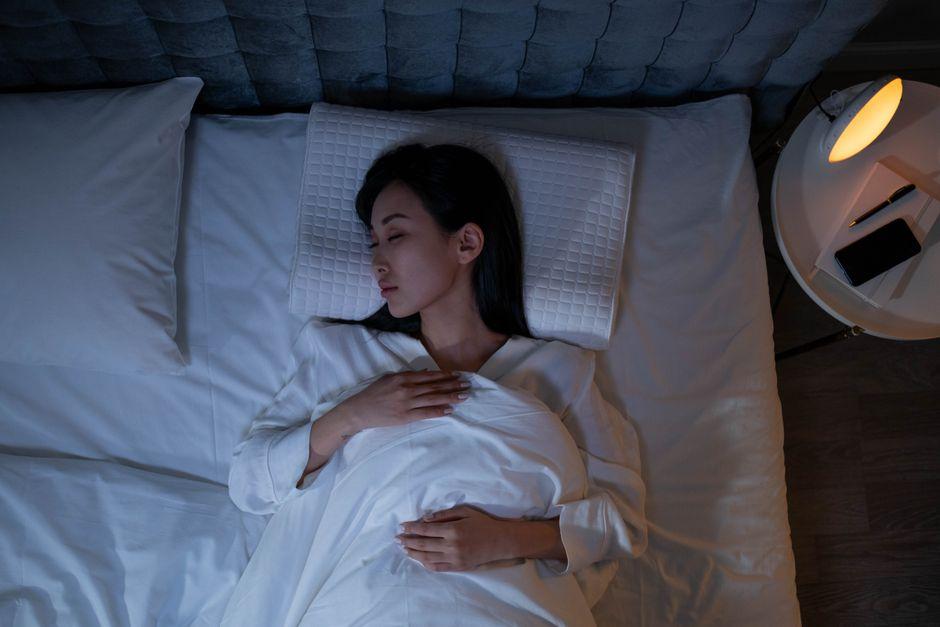
Your bedroom might be the problem. Not your phone, not your caffeine intake, not your stress levels, though those matter too, but the room itself: its temperature, light bleed, noise profile, and the air you're breathing while you sleep. Sleep researchers have long argued that the physical environment is the most underestimated lever in sleep quality, and Moonee Ponds' increasingly switched-on wellness community is starting to take that seriously.
Winter in this part of Victoria brings its own complications. July nights drop to around 7 or 8 degrees, which sounds ideal for sleeping, but central heating systems, common in the older red-brick homes along Waverley Road and the streets feeding off Pascoe Vale Road, push indoor temperatures well above the recommended 18 to 19 degrees Celsius. Sleep medicine specialists consistently flag that range as optimal for adult rest. Go above 22 degrees, and sleep architecture shifts: you get less slow-wave and REM sleep, the stages responsible for physical repair and memory consolidation.
Building a Room That Works
The checklist starts with light. Blackout curtains remain the single highest-return investment for most households. A good-quality set, available at the Manchester Warehouse on Pascoe Vale Road, runs between $80 and $180 for a standard window, depending on lining weight. The goal is simple: eliminate the streetlight orange that floods older suburban bedrooms. Even low-level light exposure suppresses melatonin production, the hormone your body releases to signal sleep onset. Fit a curtain that overlaps the frame by at least 10 centimetres on each side.
Sound is the next variable. Moonee Ponds sits close enough to CityLink that background traffic noise is measurable on still nights, particularly in properties west of Mount Alexander Road. A white noise machine or a simple box fan placed away from the bed can mask irregular noise spikes, it's the unpredictability of sound, not volume alone, that fragments sleep. Ear plugs are cheaper still: a 50-pack of foam plugs costs under $15 at the Chemist Warehouse on Puckle Street.
The mattress and pillow question deserves its own conversation. The Sleep Health Foundation, an Australian not-for-profit, reported in its 2024 survey that 48 per cent of adults rate their sleep quality as poor or fair, with mattress discomfort cited by roughly one in five respondents. Replacing a mattress is expensive, good mid-range options start around $900, but a quality pillow suited to your sleep position costs $60 to $120 and can make a measurable difference. Side sleepers need firmer, higher loft; back sleepers do better with a flatter, medium-density fill.
The Evening Routine Is Part of the Environment
Physical space and pre-sleep behaviour are inseparable. The Moonee Ponds Creek Trail, which runs through Ormond Park just east of the shopping precinct, has become a popular late-afternoon walking route for locals who've absorbed the research linking outdoor light exposure before sunset with stronger circadian rhythms. Twenty to thirty minutes outside between 4pm and 6pm helps anchor your body clock, making it easier to feel genuinely sleepy by 10 or 10:30pm.
The Ponds Health and Fitness Studio on Hall Street runs a Thursday evening yoga class specifically scheduled to finish by 8pm, intentional, given that vigorous exercise within two hours of bed raises core temperature and delays sleep onset. Restorative formats like yin yoga or stretching, done earlier in the evening, do the opposite.
One final item on the checklist that most people overlook: device charging. Phones on the bedside table mean notifications, light pulses, and the temptation to check the time repeatedly. Charge in the hallway or kitchen. A $12 analogue alarm clock from the Moonee Ponds op shops on Pascoe Vale Road does the job without the blue-light liability.
None of this requires an expensive overhaul. Start with blackout curtains, adjust the thermostat down before bed, and move the phone out of the room. Those three changes alone put your sleep environment ahead of most. For persistent sleep difficulties, a conversation with a GP at one of the Moonee Ponds medical centres on Puckle Street is the right next step, environmental fixes have limits, and some sleep problems need clinical attention.