wellness
Prahran Residents Sabotage Sleep: Five Environmental Fixes That Work
From Chapel Street noise to winter heating habits, Prahran residents are quietly sabotaging their sleep, here's what the evidence says to fix first.
How we reported this
The average adult needs between seven and nine hours of sleep per night. Most Prahranites aren't getting it, and the bedroom itself is often the culprit. Sleep specialists have long argued that the physical environment, temperature, light, sound, and even mattress age, determines sleep quality far more than bedtime routines or supplements, and a winter audit of your room could be the most useful wellness intervention you make this year.
The timing matters. July's shorter days and longer nights create a paradox for inner-city residents: instinct says hibernate, but the reality of living near the commercial strip on Chapel Street, or in the high-density apartment blocks along Greville Street, means light pollution, bass frequencies from late-licence venues, and erratic heating cycles are all conspiring against deep sleep. Add to that the shift toward hormone therapies and sleep supplements that has dominated wellness conversations in recent months, and there's a growing appetite for something more foundational, the room itself.
Start With Temperature, Then Work Outward
Core body temperature needs to drop by roughly 1 to 2 degrees Celsius for sleep onset to occur. That means the widely popular habit of cranking reverse-cycle air conditioning to 24 degrees on a cold July night is physiologically counterproductive. Sleep researchers at institutions including the National Sleep Foundation recommend bedroom temperatures between 15 and 19 degrees Celsius for optimal rest. Prahran's older terrace housing stock, common throughout the residential pockets between High Street and Malvern Road, is particularly prone to heat retention from electric panel heaters, which can push room temperatures well above that range by midnight.
Light is the second lever. Blackout curtains remain the single most cost-effective intervention. A decent pair runs from around $80 at homewares stores along Chapel Street's retail precinct, up to $400 or more for custom fittings from specialist suppliers. The goal is simple: no detectable light source between 10 pm and 6 am. That includes the standby glow from televisions and the charging indicators on phones, which emit enough blue-spectrum light at 1 to 2 lux to suppress melatonin production measurably.
Sound is trickier to solve in an urban pocket like Prahran. Earplugs work but disrupt natural sleep cycles for some users. White noise machines, available from $45 at several Windsor Road retailers, have solid evidence behind them, with a 2021 study published in the journal Sleep Medicine Reviews finding that continuous broadband noise reduced sleep-onset time by an average of 38 percent in urban participants. Acoustic curtains, which combine blackout fabric with sound-dampening properties, are increasingly stocked by interior specialists and are worth the premium for residents within a few hundred metres of the Prahran Hotel or the late-night precinct around Commercial Road.
The Checklist Local Wellness Practitioners Are Recommending
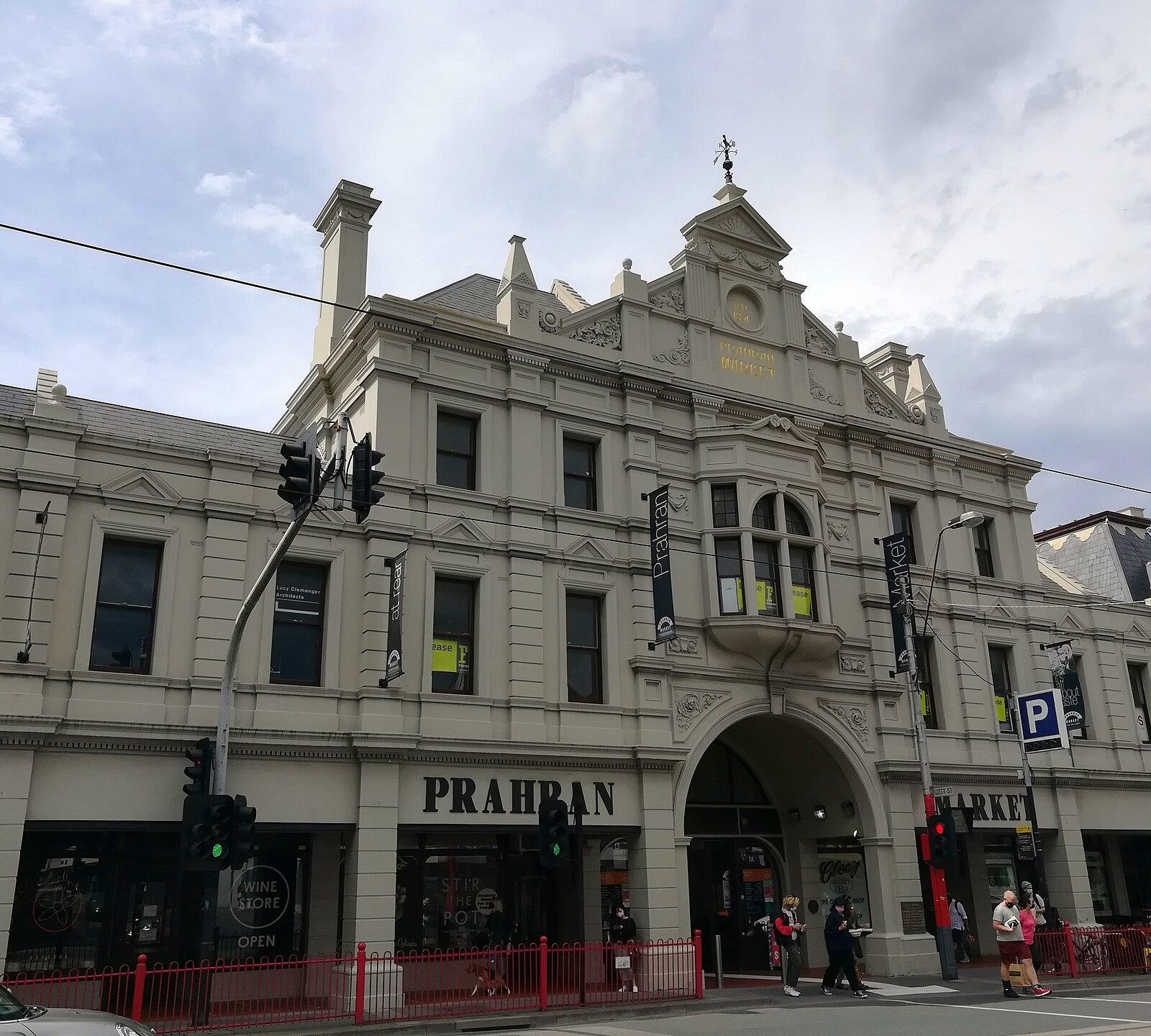
At the Prahran Market precinct on Elizabeth Street, several allied health practitioners operating out of the Prahran Health Hub have begun distributing a basic sleep environment checklist to clients presenting with fatigue and stress-related conditions. The checklist runs to twelve points, but practitioners consistently highlight four as non-negotiable: room temperature below 19 degrees, complete darkness, no screens for 30 minutes before bed, and a mattress no older than eight years. The average innerspring mattress degrades significantly in support quality after seven years of use, yet most households replace them at the ten-to-twelve year mark.
The Prahran Community Health Centre on Cato Street also runs a monthly sleep wellness session as part of its broader chronic disease prevention program, open to local residents at no cost. The July session is scheduled for the third Wednesday of the month and covers both environmental and behavioural factors. Places fill within days of opening, which says something about the local appetite for practical guidance that doesn't involve another supplement subscription.
The checklist approach works precisely because it is low-cost and sequential. Fix temperature first. Then light. Then sound. Replace bedding and the mattress when finances allow. None of this requires a specialist appointment, though anyone experiencing persistent sleep difficulties beyond four weeks should speak with a GP or sleep clinician. The Prahran Health Hub can provide referrals. The bedroom audit is free and takes twenty minutes, which, on balance, is far less time than another restless night.