wellness
Roxburgh Park Stocks 5 Fermented Foods Boosting Gut Health
From kimchi to kefir, Roxburgh Park's shelves and weekend markets are stocked with gut-friendly staples worth adding to your weekly shop.
How we reported this
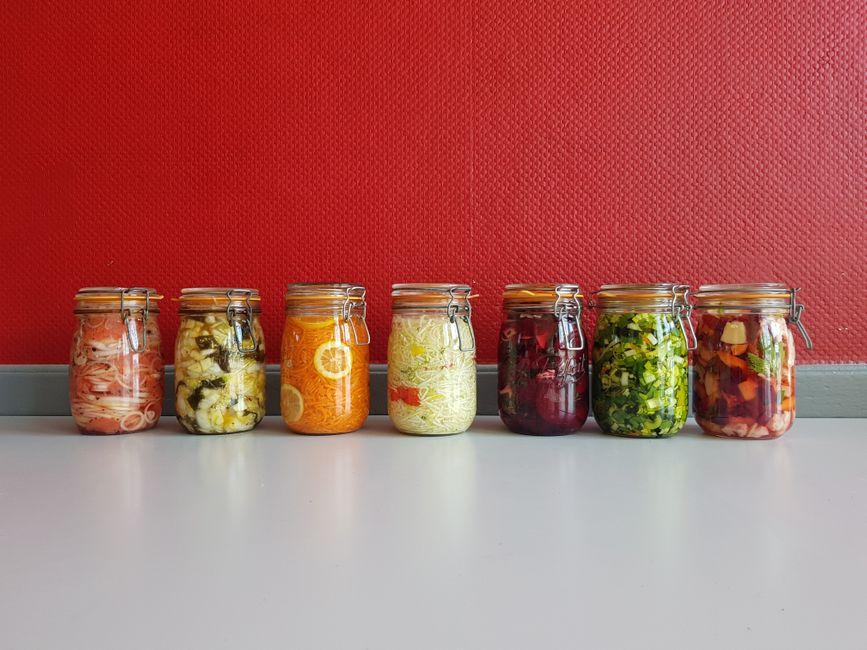
The science on gut health has shifted decisively in the past decade. Fermented foods, long dismissed as niche health-food territory, are now backed by substantial clinical evidence linking regular consumption to improved digestion, stronger immune response and even better mood regulation. For residents of Roxburgh Park, the good news is that sourcing these foods locally has never been easier or more affordable.
This matters right now for a specific reason. Winter is prime cold-and-flu season, and the immune system's first line of defence is heavily concentrated in the gut. The gut microbiome, the roughly 38 trillion microorganisms living in the human digestive tract, according to a frequently cited 2016 study published in Cell, is directly influenced by what we eat. Fermented foods introduce live beneficial bacteria, known as probiotics, that help maintain that microbial balance. Dietitians widely recommend aiming for two to three serves of fermented food per day, though anyone managing a chronic health condition should check with a local GP or accredited practising dietitian before overhauling their diet.
Where to Find Fermented Foods in Roxburgh Park
The Roxburgh Park Shopping Centre on Somerton Road stocks a broader range of fermented staples than most residents realise. The refrigerated health-food section carries kombucha in multiple formats, including locally produced small-batch varieties, with prices typically sitting between $4.50 and $6.50 per 330ml bottle. Plain full-fat yoghurt with live cultures, one of the most accessible and affordable fermented foods, runs at roughly $3.80 for 500 grams under several supermarket house brands. Miso paste, excellent for a quick winter broth, is available for around $5 for a 300-gram tub.
The Roxburgh Park Community Centre on Carinish Road occasionally hosts local producers through its seasonal community market events, typically held on the first Saturday of the month from 8am to noon. Several vendors at recent markets have included makers of raw sauerkraut and water kefir, both of which carry live cultures when unpasteurised. A 400-gram jar of artisan sauerkraut at last month's market was priced at $9, which sounds steep until you consider it provides roughly 10 to 14 serves. The centre's community noticeboard also lists a small fermentation workshop program run quarterly by local food educators, the next session is scheduled for late August 2026.
Beyond the obvious yoghurt and kombucha, it is worth knowing which fermented foods pack the most practical punch per dollar. Kefir, a fermented milk drink with a tangy, slightly fizzy character, contains a significantly more diverse range of bacterial strains than standard yoghurt. A 500ml bottle retails for about $5 at the Somerton Road IGA. Tempeh, made from fermented soybeans, is a protein-dense option that works well stir-fried and is available in the freezer aisle. Kimchi, the Korean fermented cabbage staple, can be found refrigerated for between $6 and $8 for a 300-gram jar, and a 2021 study in Foods journal linked regular kimchi consumption to measurably improved gut microbiome diversity over just four weeks.
Getting the Most From What You Buy
Not all fermented products on supermarket shelves deliver the same benefit. Pasteurisation kills live bacteria, so pickles brined in vinegar and shelf-stable sauerkraut in cans offer no probiotic value, only the refrigerated, raw, naturally fermented versions count. Look for labels that say "live cultures" or "naturally fermented" and check the refrigerator section rather than the ambient aisle.
Starting small is sensible. Introducing several new fermented foods simultaneously can cause temporary bloating and discomfort as the gut adjusts. Dietitians generally suggest beginning with a single daily serve, a tablespoon of sauerkraut alongside lunch, or a small glass of kefir in the morning, and building gradually over two to three weeks.
The Roxburgh Park Library on Somerton Road holds a selection of food-as-medicine titles, including practical fermentation guides available for loan. For personalised advice, the Hume City Council community health directory lists bulk-billing dietitian services operating locally, with several clinics accepting new patients as of July 2026. The food is on the shelf. The knowledge is close behind.