wellness
Sunshine's Local Shops Now Stock Five Essential Fermented Foods
From kefir to kimchi, Sunshine's growing wellness scene is making it easier than ever to feed your microbiome without leaving the suburb.
How we reported this
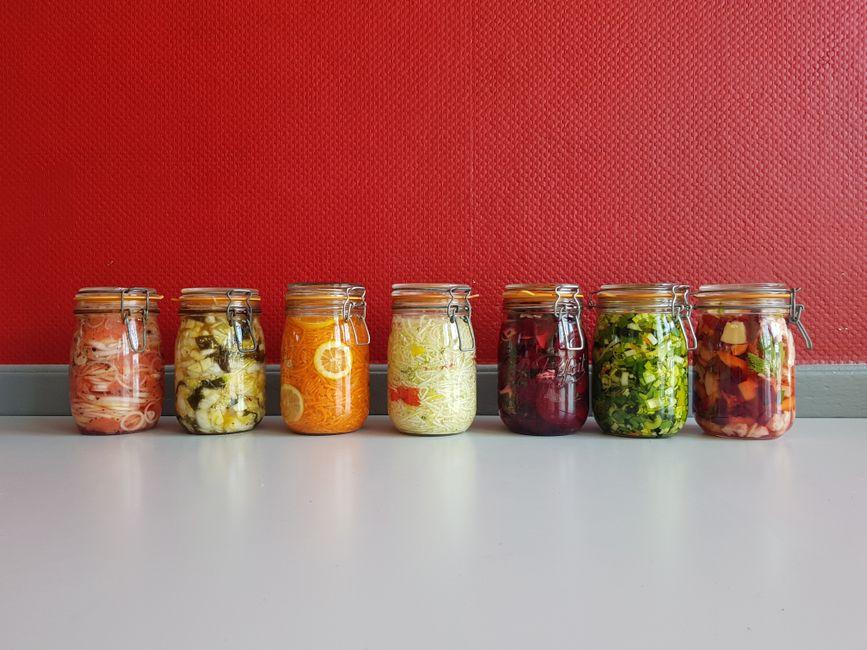
Demand for fermented foods in Sunshine has surged sharply over the past 18 months, with local grocers and health-food stockists reporting that probiotic-rich products now rank among their fastest-moving lines. The gut health conversation, once confined to gastroenterology waiting rooms, has landed squarely on the kitchen table, and the options within a short walk or drive of Sunshine's town centre have never been broader.
The timing makes sense. Global research published in the journal Cell back in 2021 found that a diet high in fermented foods increased microbiome diversity and reduced markers of inflammation in participants over a 10-week period. That science has slowly filtered into mainstream awareness, and with the cost-of-living squeeze pushing many households to rethink expensive supplements, whole fermented foods are looking like an attractive, affordable alternative. A 500ml jar of locally produced sauerkraut can be found for around $7-$9, cheaper than a single probiotic capsule course from most pharmacies.
Where to Start Shopping in Sunshine
The Sunshine Farmers Market, held on the first and third Saturday of each month at Sunshine Station Plaza, has become a reliable hunting ground for small-batch fermented products. Several stalls there now carry house-made kombucha, water kefir, and lacto-fermented vegetables, with producers often on hand to explain the fermentation process and recommend starting quantities for beginners. It is worth arriving before 9 a.m., the kombucha vendors in particular tend to sell out early.
For something more consistent week-to-week, the Sunshine Harvester Co-op on Hampshire Road stocks a rotating range that includes dairy kefir, miso paste, tempeh, and at least two varieties of kimchi at any given time. The co-op runs a monthly membership model starting at $15, which gives access to bulk pricing and a members' notice board where local fermenters occasionally swap starters and cultures. Staff there are generally knowledgeable about which products contain live cultures versus those that have been pasteurised after fermentation, a distinction that matters if you are specifically chasing probiotic benefit.
Not all fermented foods on supermarket shelves deliver the same effect. Standard commercial pickles, for example, are typically made with vinegar rather than through lacto-fermentation, which means they contain little to no live bacteria. Reading labels matters: look for products listing "live cultures" or "naturally fermented" with no added vinegar, and check that they are refrigerated rather than shelf-stable.
Building a Practical Routine
Gut health practitioners generally suggest starting small. Two to four tablespoons of fermented vegetables per day is a common introductory amount, with dairy kefir, roughly 150ml per serve, often recommended for those who tolerate dairy well. The Sunshine Community Health Centre on Harvester Road runs a quarterly nutrition workshop series; the session scheduled for late August 2026 includes a dedicated segment on incorporating fermented foods into everyday meals, and bookings open on 1 July each year through their website.
Homemade fermentation is also gaining ground in the suburb. The Sunshine Library on Devonshire Road added a rotating "practical skills" shelf in early 2026, and fermentation guides, including Sandor Katz's widely cited The Art of Fermentation, are among the most consistently checked-out titles. Some residents are going further, joining online fermentation circles that connect them with local starter cultures for sourdough and jun tea.
The bottom line for anyone curious but cautious: fermented foods are broadly considered safe for most healthy adults, and starting with a small daily portion is a low-risk way to experiment. That said, anyone with an immune condition, a history of gut disease, or who is pregnant should speak with a local GP or registered dietitian before making significant dietary changes. The Sunshine Community Health Centre accepts walk-in bookings on Tuesday and Thursday mornings for those without a regular doctor.